43% of clergy do not keep a regular Sabbath. ‌ ‌ ‌ ‌ ‌ ‌ ‌ ‌ ‌ ‌ ‌ ‌ ‌ ‌ ‌ ‌ ‌ ‌ ‌ ‌ ‌ ‌ ‌ ‌ ‌ ‌ ‌ ‌ ‌ ‌ ‌ ‌ ‌ ‌ ‌ ‌ ‌ ‌ ‌ ‌ ‌ ‌ ‌ ‌ ‌ ‌ ‌ ‌ ‌ ‌ ‌ ‌ ‌ ‌ ‌ ‌ ‌ ‌ ‌ ‌ ‌ ‌ ‌ ‌ ‌ ‌ ‌ ‌ ‌ ‌ ‌ ‌ ‌ ‌ ‌ ‌ ‌ ‌ ‌ ‌ ‌ ‌ ‌ ‌ ‌ ‌ ‌ ‌ ‌ ‌ ‌ ‌ ‌ ‌ ‌ ‌ ‌ ‌ ‌ ‌ ‌ ‌ ‌ ‌ ‌ ‌ ‌ ‌ ‌ ‌ ‌ ‌ ‌ ‌ ‌ ‌ ‌ ‌ ‌ ‌ ‌ ‌ ‌ ‌ ‌ ‌ ‌ ‌ ‌ ‌ ‌ ‌ ‌ ‌ ‌ ‌ ‌ ‌ ‌ ‌ ‌ ‌ ‌ ‌ ‌ ‌ ‌ ‌ ‌ ‌ ‌ ‌ ‌ ‌ ‌ ‌ ‌ ‌ ‌ ‌ ‌ ‌ ‌ ‌ ‌ ‌ ‌ ‌ ‌ ‌ ‌ ‌ ‌ ‌ ‌ ‌ ‌ ‌ ‌ ‌ ‌ ‌ ‌ ‌ ‌ ‌ ‌ ‌ ‌ ‌ ‌ ‌ ‌ ‌ ‌ ‌ ‌ ‌ ‌ ‌ ‌ ‌ ‌ ‌ ‌ ‌ ‌ ‌ ‌ ‌ ‌ ‌ ‌ ‌ ‌ ‌ ‌ ‌ ‌ ‌ ‌ ‌ ‌ ‌ ‌ ‌ ‌ ‌ ‌ ‌ ‌ ‌ ‌ ‌ ‌ ‌ ‌ ‌ ‌ ‌ ‌ ‌ ‌ ‌ ‌ ‌ ‌ ‌ ‌ ‌ ‌ ‌ ‌ ‌ ‌ ‌ ‌ ‌ ‌ ‌ ‌ ‌ ‌ ‌ ‌ ‌ ‌ ‌ ‌ ‌ ‌ ‌ ‌ ‌ ‌ ‌ ‌ ‌ ‌ ‌ ‌ ‌ ‌ ‌ ‌ ‌ ‌ ‌ ‌ ‌ ‌ ‌ ‌ ‌ ‌ ‌ ‌ ‌ ‌ ‌ ‌ ‌ ‌ ‌ ‌ ‌ ‌ ‌ ‌ ‌ ‌ ‌
View in Web Browser
Podcast Image Preview

Dear John,

Here's a number worth sitting with: 43%.

That's the percentage of clergy in the Duke Clergy Health Initiative who were not keeping a regular Sabbath.

Not "having a hard time." Not "struggling occasionally." Not keeping one at all.

And yet the research on those who do practice Sabbath consistently shows meaningful differences across almost every measure of wellbeing.

The Duke Clergy Health Initiative has produced some of the most important research on pastoral sustainability. And their findings on Sabbath are unambiguous.

Clergy who practice regular Sabbath show:

  • Greater spiritual wellbeing
  • Better mental health
  • Higher ministry satisfaction
  • More sustainable long-term patterns

This isn't about legalism or checking a spiritual box. It's about what actually works.

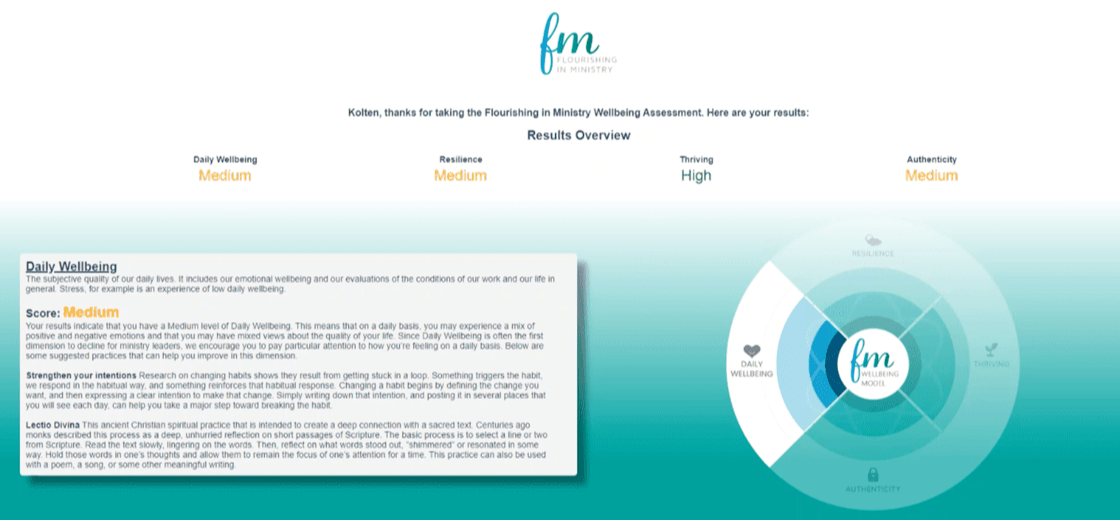
The Flourishing in Ministry research adds another layer: when we talk about Daily Wellbeing as a foundational dimension, Sabbath is one of the most powerful—and most neglected—components.

Rest isn't what you do after the real work is done. Rest IS part of the work. It's ministry infrastructure.

Without it, everything else eventually collapses.

If you're in the 43%, here's a path forward:

Start small. If a full Sabbath day feels impossible, begin with a Sabbath half-day. Four hours of genuine, protected rest is better than zero.

Make it specific. "I'll rest when I can" never works. Pick a day. Pick a time. Put it in the calendar like any other commitment.

Define what restores you. For some, rest means solitude. For others, it's being with people who don't need anything from you. For others, it's physical activity or creative work. Know yourself.

Involve your family. If you have a spouse or children, Sabbath can become a shared rhythm—not just absence from work but presence with each other.

Dotted Lines for Spacer

REFLECTION

Pause and ask yourself:

  1. Am I in the 43%? Or have I built genuine rest into my weekly rhythm?
  2. What's one obstacle keeping me from practicing Sabbath—and is it as insurmountable as it feels?

You cannot give what you don't have. And you cannot sustain decades of ministry on empty reserves.

Sabbath isn't an old covenant relic. It's a strategic necessity for anyone who wants to last.


This week's blog goes deeper:

Read "Sabbath as Strategy: How Rest Strengthens Ministry"
 

Until next week,
The Flourishing in Ministry Team

Flourishing in Ministry Logo
Assessment Preview

Where is your sense of personhood right now?

Take the free Flourishing Assessment to identify strengths and gaps across all five dimensions, including authenticity.

This free, comprehensive tool is designed to help you proactively improve your life and ministry.  Our assessment is designed to provide you with personalized recommendations based on your current levels of wellbeing. You’ll receive practical advice and strategies tailored to help you flourish in every aspect of your ministry.

Take The Assessment
Facebook Instagram LinkedIn
Biola University - Mental Health and the Church Initiative
Unsubscribe | Sent by Biola University Mental Health and the Church Initiative
13800 Biola Avenue • La Mirada, CA • 90639